 English
 العربية
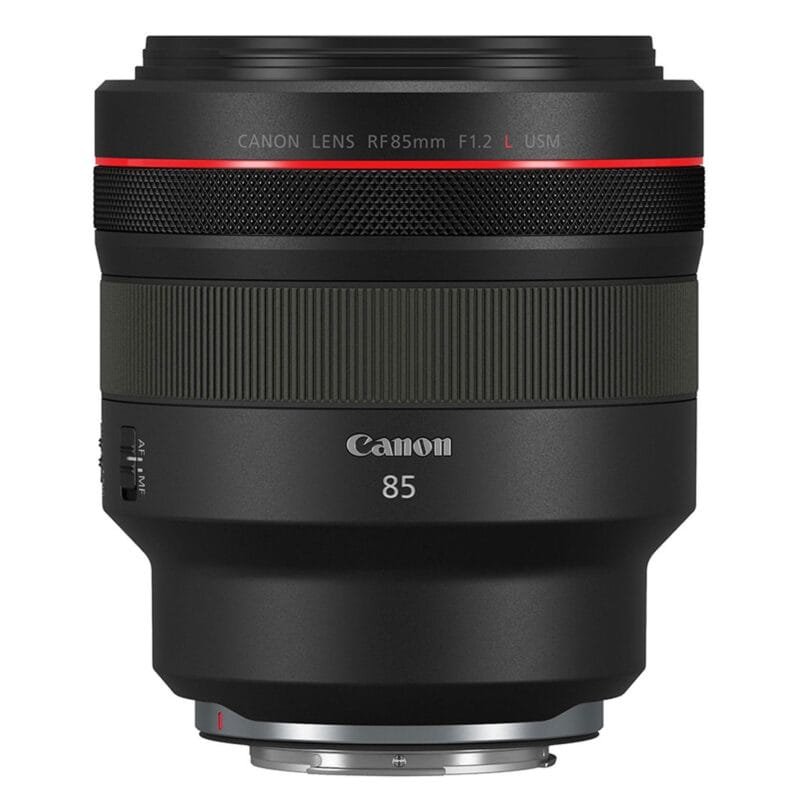
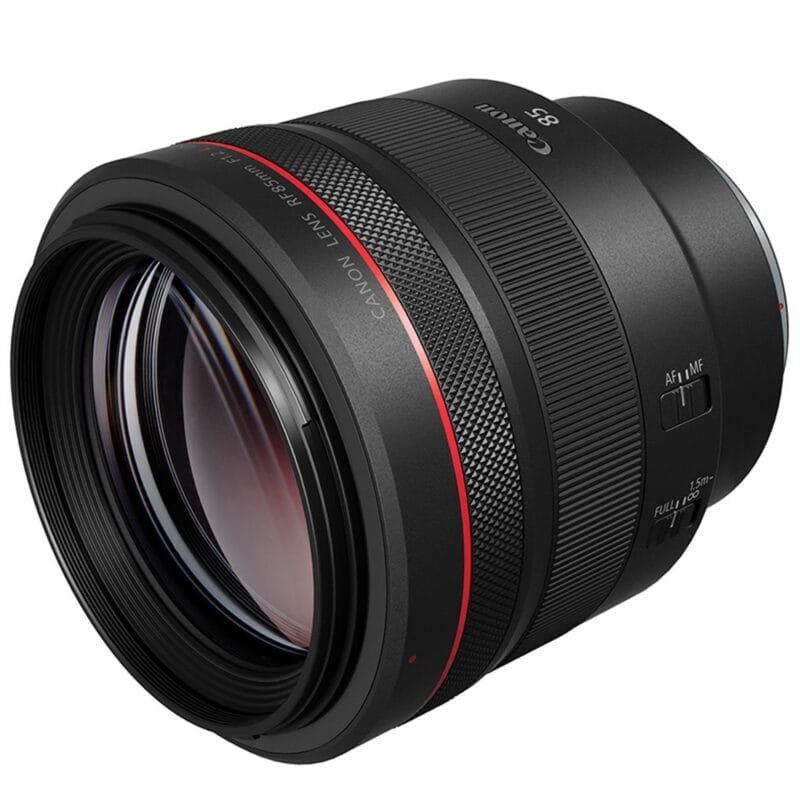
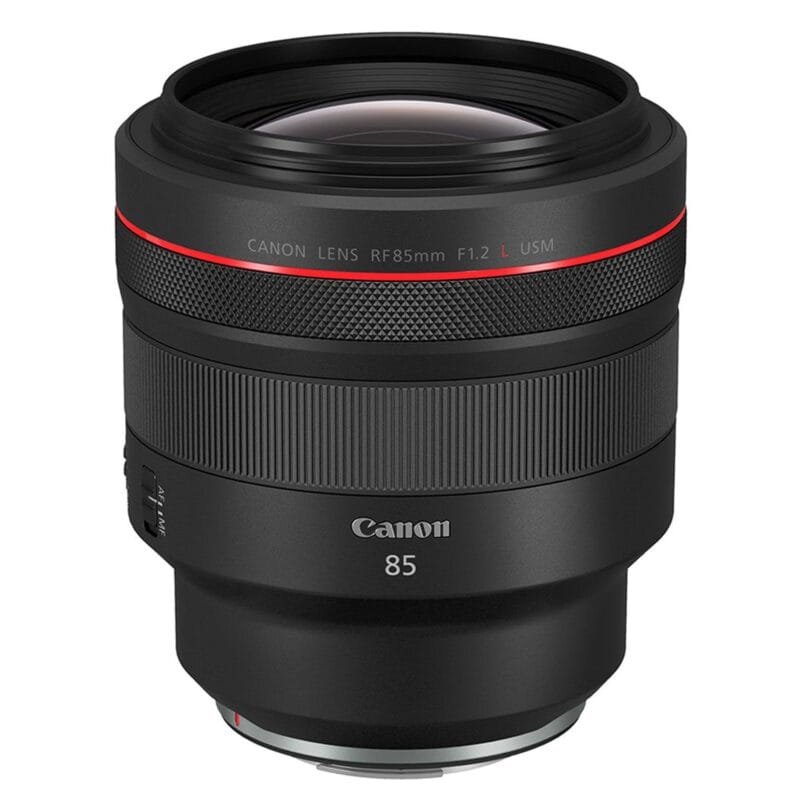
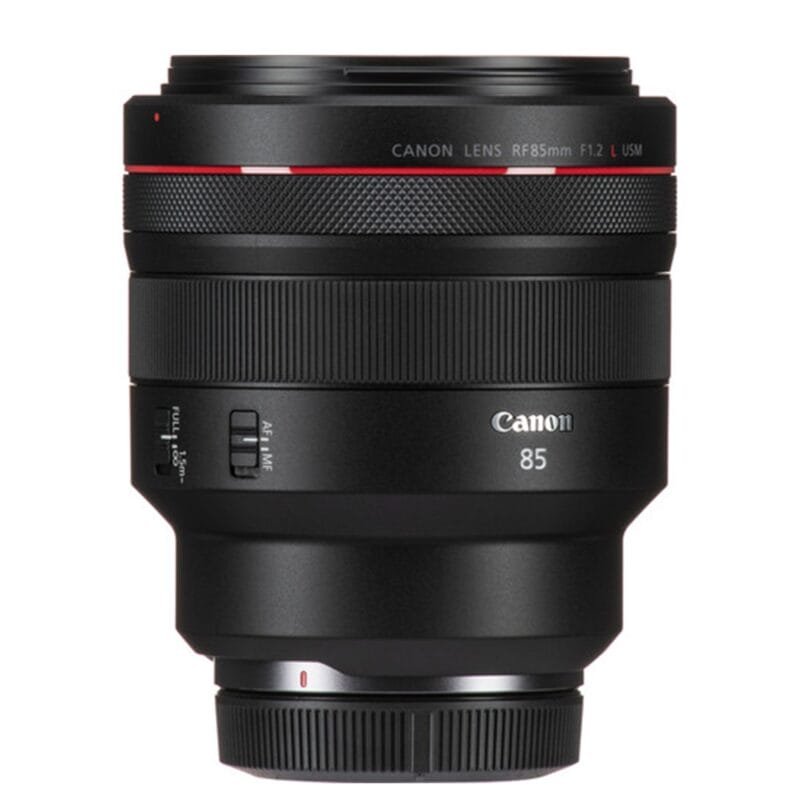
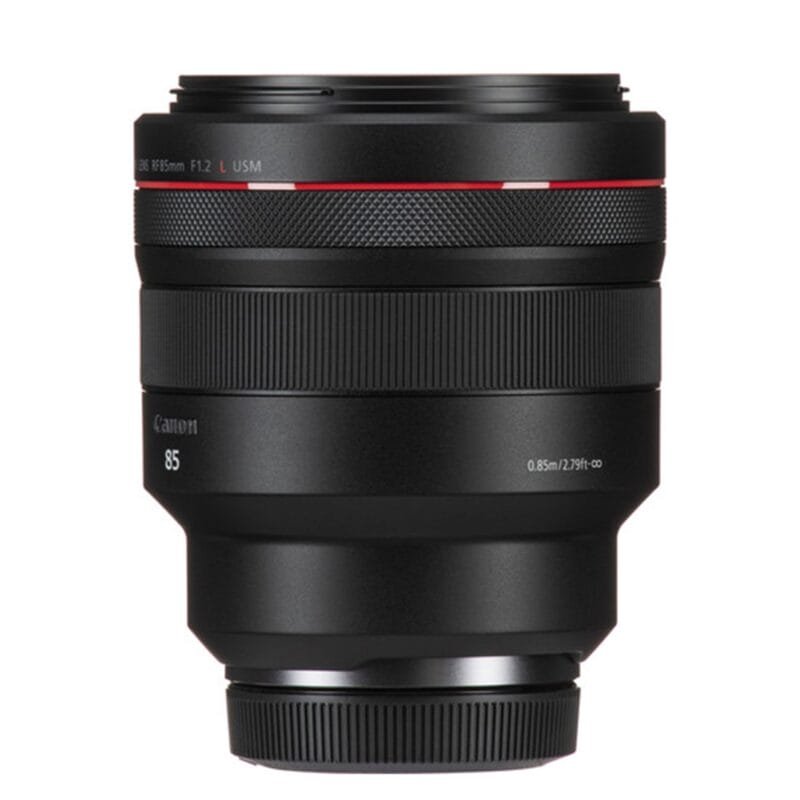
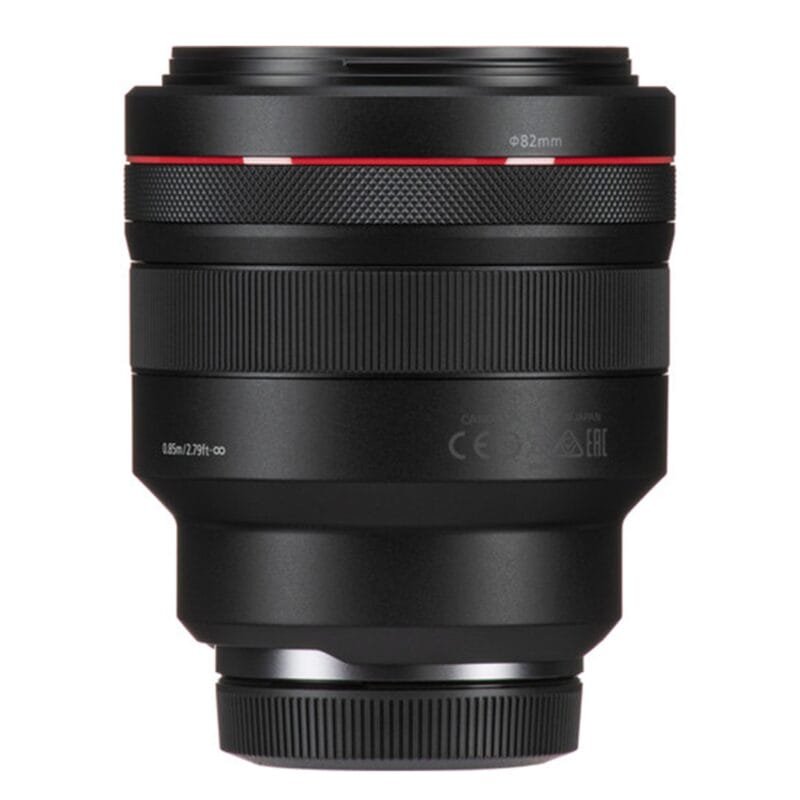
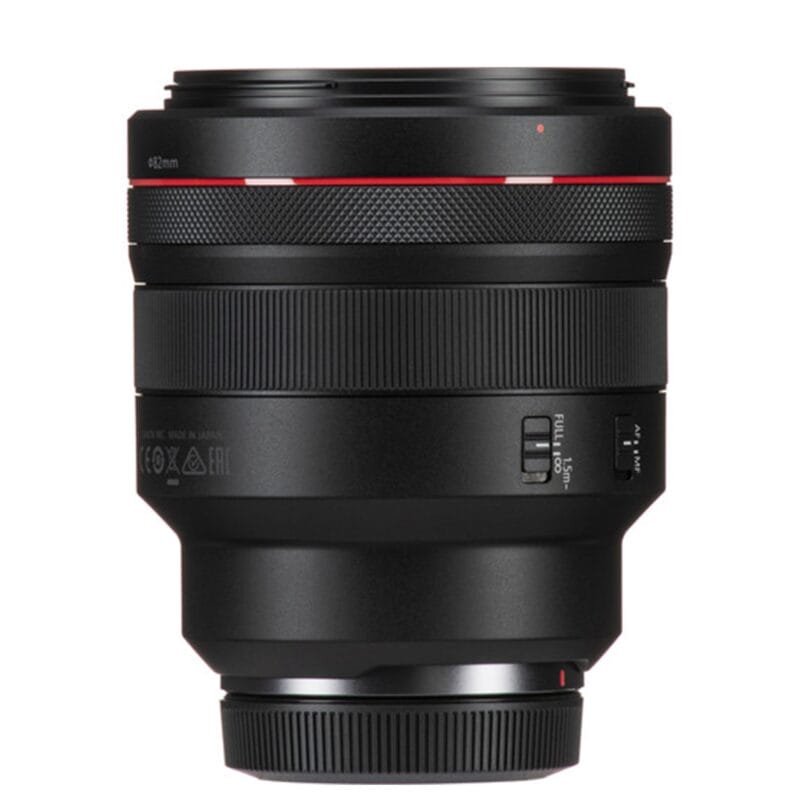
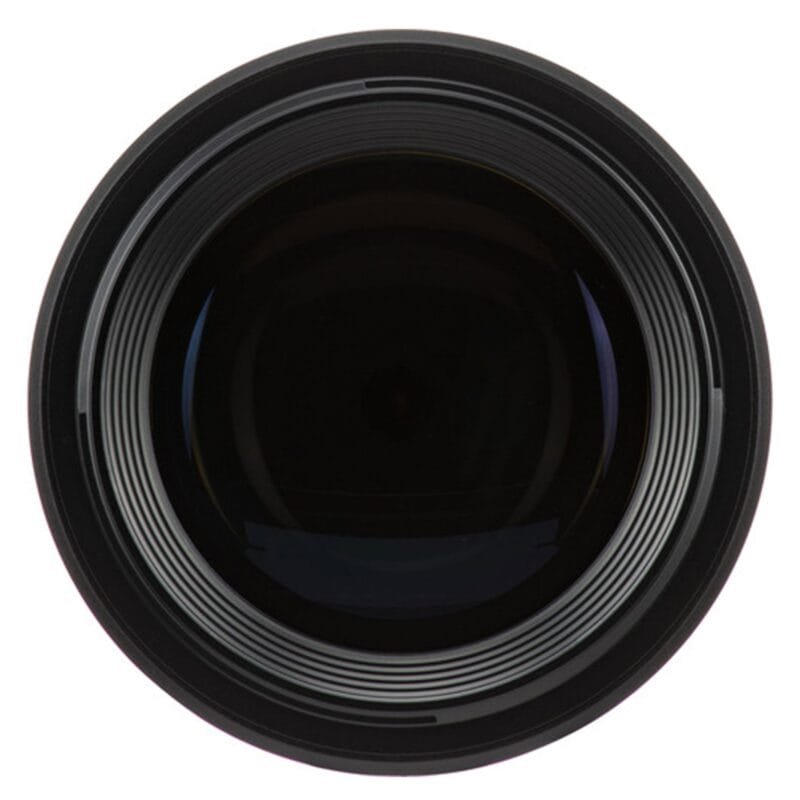
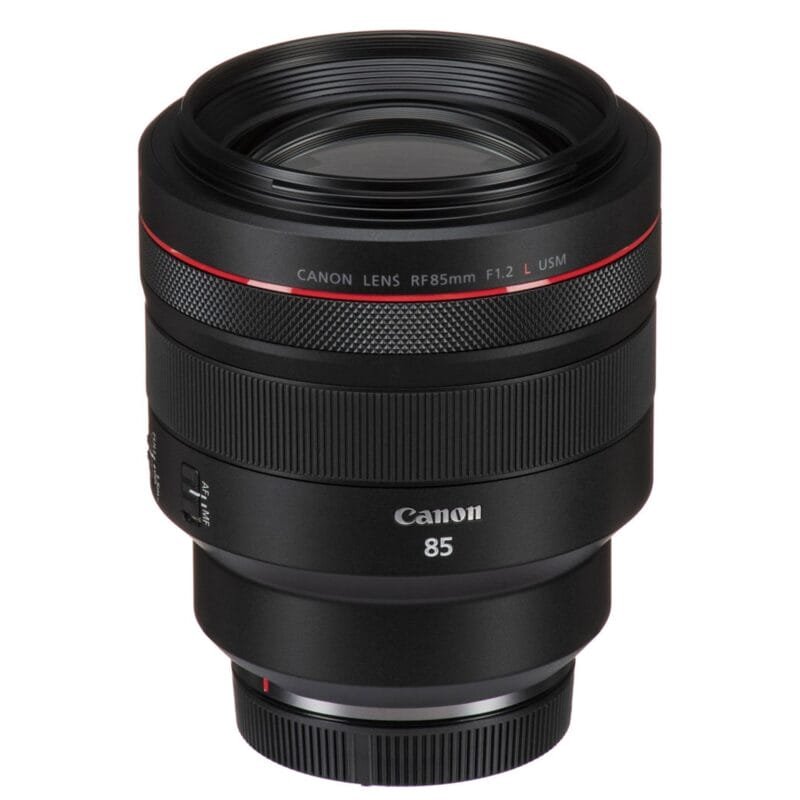
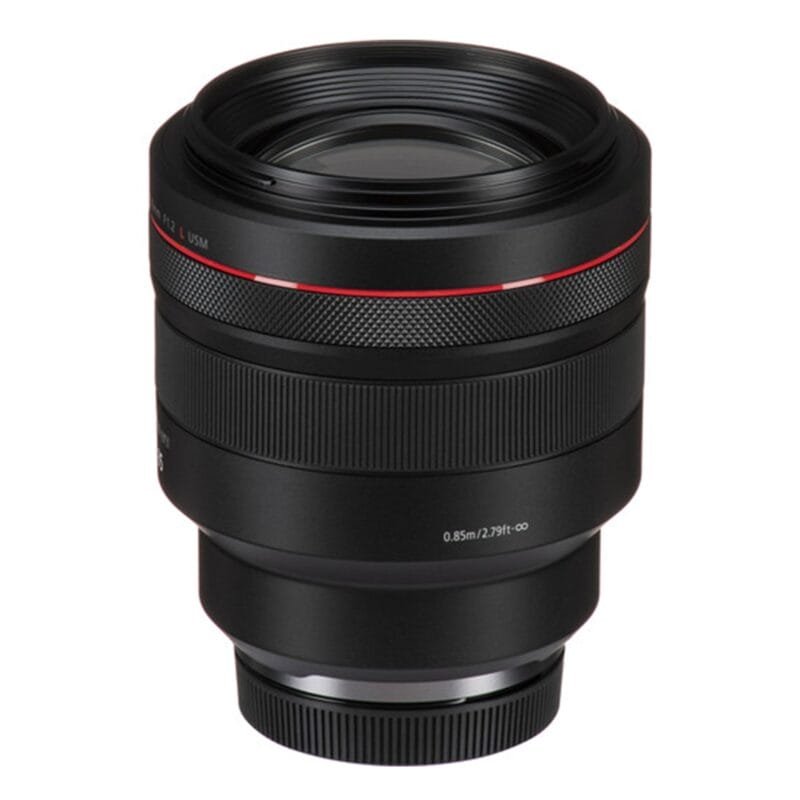
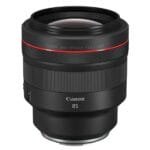
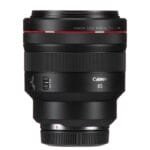
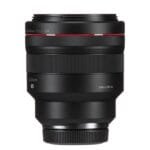
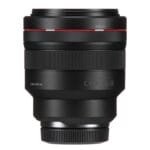
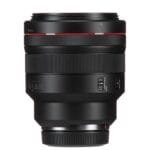

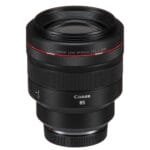
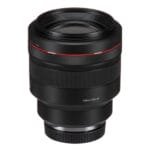
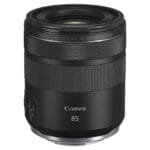

Canon RF 85mm f/1.2L USM Lens
Canon RF 85mm
Specifications
- Focal length: 85mm
- Maximum aperture: f/1.2
- Minimum aperture: f/16
- Lens mount: Canon RF
- Optical design: 13 elements in 9 groups
- Diaphragm blades: 9 rounded
- Filter size: 82mm
- Dimensions: 4.06 x 4.62″
- Weight: 2.6 lbs
Image Quality
You can probably guess what I’m going to say here. What are the chances that Canon is going to release an RF mount “L” lens that isn’t basically optically perfect. The RF 85 f/1.2L doesn’t disappoint. It’s really close to perfect. The images this lens produces are simply beautiful. From color rendition to sharpness to bokeh, this lens is not going to disappoint you. In fact, it’ll probably leave your jaw dropped more often than not.
This lens also has character. The images it produces have that certain pop that you’ve come to expect from Canon “L” lenses.
Sharpness
The Canon RF 85 f/1.2L USM is incredibly sharp throughout the entire aperture range. At f/1.2 it’s tack sharp in the center and plenty sharp toward the edges. It’s the sharpest 85mm I’ve ever used. Compared to the EF 85 f/1.2L USM II, the RF 85 is sharper in the center and towards the edges. Above f/4.0, this lens is razor sharp.
Let’s look at some examples:
100% Crop Comparison – Center
100% Crop Comparison – Bottom Left Edge
Color & Contrast
The RF 85 1.2L produces rich, true to life colors with the right amount of contrast and detail. And in the words of Forrest Gump, “that’s all I have to say about that.”
Build Quality
The Canon RF 85 1.2L USM is built like a tank. It’s long, heavy and bulky. At 2.6 lb, it weighs more than the new RF 70-200 f/2.8L (2.36 lb). That said, pretty much all of the new extremely sharp, bokehlicious lenses are huge. The Sigma 85 1.4 Art weighs a comparable 2.49 lb. While the new trend toward big lenses might be bad for the wrists, it’s good for optical quality. Physics is physics after all.
The size and weight notwithstanding, this lens is well built and beautiful. I can’t say enough positive things about the aesthetics of the new RF line of lenses. After years of lenses that looked like they were from the 80’s, Canon has moved us solidly into the modern world in terms of design. It also features weather-sealing, a metal mount ring, and a plastic outer body that reduces weight. As with all the other RF lenses, it also features a control ring that you can use to control ISO, aperture, or pretty much whatever else you want.
[Related Reading: Face Tracking and Eye AF Dramatically Improved with Latest Canon EOS R Firmware 1.4]
Bokeh & Depth of Field
The whole reason one buys an 85mm 1.2 is for bokeh and depth of field, right? The RF 85 1.2 L USM doesn’t disappoint. In fact it’s probably the queen of bokeh. Out of focus elements are smooth and creamy with soft beautiful edges. Even at f/5.0 (see the image below), the out of focus elements are beautiful. At f/1.2, the bokeh is smooth and dreamlike.
Related Products
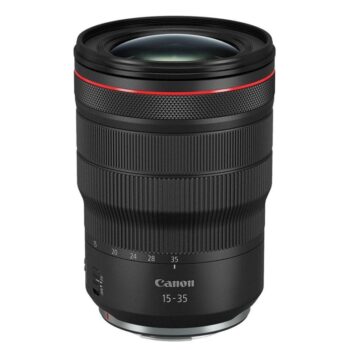

- RF-Mount Lens/Full-Frame Format
- Aperture Range: f/2.8 to f/22
- Three Aspherical Elements
- Two Ultra-Low Dispersion Elements
- Air-Sphere and Fluorine Coatings
- Nano USM AF System
- Optical Image Stabilizer
- Customizable Control Ring
- Rounded 9-Blade Diaphragm
Out of stock
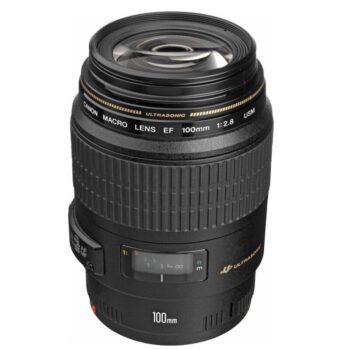
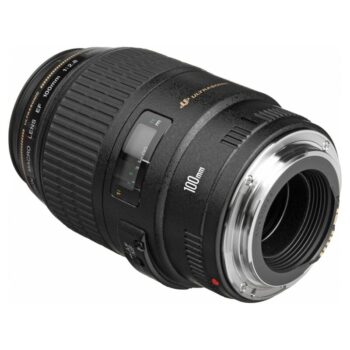
Part of the L-series range of Canon EF lenses, the 100mm f/2.8 Macro has a magnification ratio of 1:1 and features advanced Image Stabilisation (IS).
Well suited to both stills and cinematography applications, the Canon 100mm macro is a popular choice for close-up and portrait work. We can supply the lens with a range of mount adapters to make is compatible with cameras such as the
Out of stock
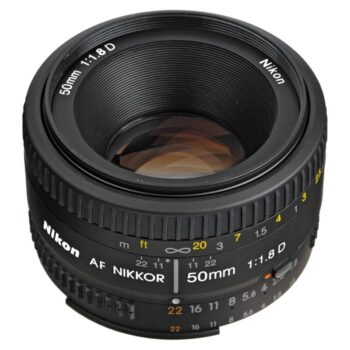
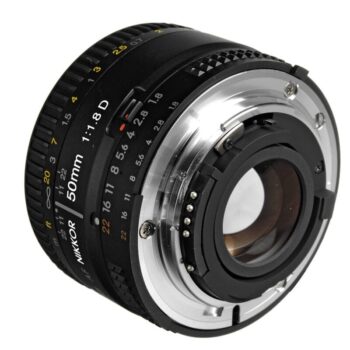
- Brand: Nikkor
- Compatible with: Cameras
- Interchangeable Lense Type: SLR Lenses
- External Product ID: 18208021376
Out of stock
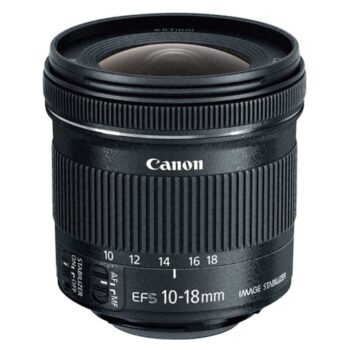
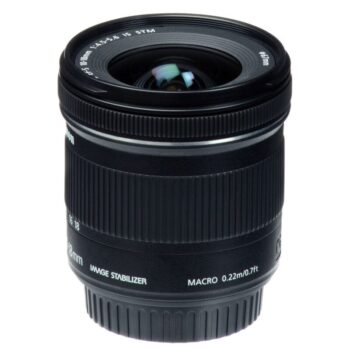
- Capture stunning wide-angle shots with the Canon EF-S 10-18mm f/4.5-5.6 IS STM Lens. Perfect for landscapes, architecture, and interiors, this lightweight lens features Image Stabilization and smooth STM autofocus for sharp, vibrant photos.
Out of stock
Benefits
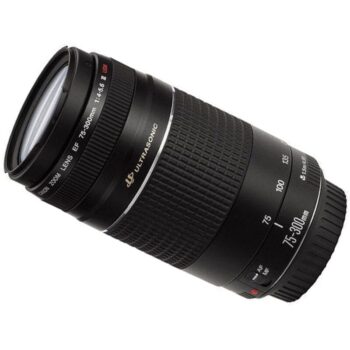
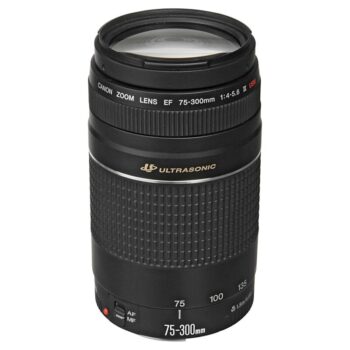
- Affordable telephoto zoom lens
- USM autofocus motor
- Super Spectra coatings
- Lightweight design
- 58mm filter size
- 1.5m closest focusing distance
Out of stock
Out of stock
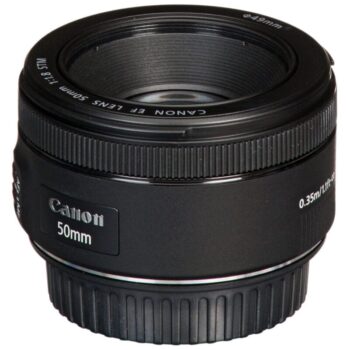

- Focal Length & Maximum Aperture: 50mm f/1.8
- Lens Construction: 6 elements in 5 groups
- Diagonal Angle of View: 46°
- Focus Adjustment: AF with full-time manual
- Closest Focusing Distance: 1.15 ft. / 0.35m
- Filter Size: 49mm
- Max. Diameter x Length, Weight: Approx. 2.7 x 1.5 in. / 69.2 x 39.3mm, Approx. 5.6 oz. / 159g
Out of stock
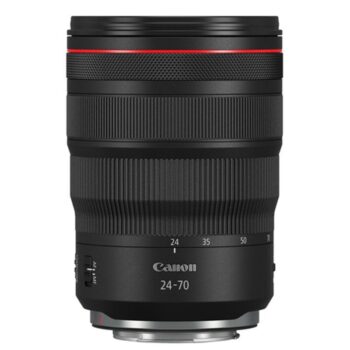
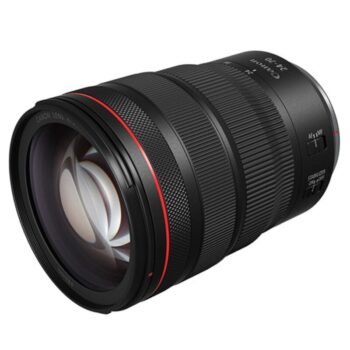
- RF-Mount Lens/Full-Frame Format
- Aperture Range: f/2.8 to f/22
- Three Aspherical Elements
- Three Ultra-Low Dispersion Elements
- Air Sphere and Fluorine Coatings
- Nano USM AF System
- Optical Image Stabilizer
- Customizable Control Ring
- Rounded 9-Blade Diaphragm
Out of stock
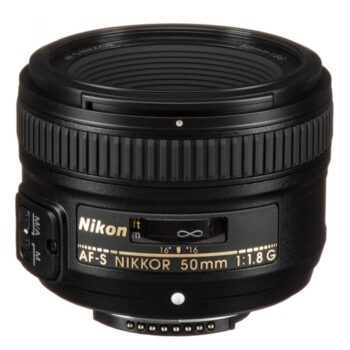
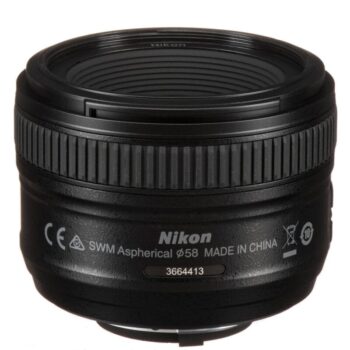
Brand Nikon
Lens Type Standard
Compatible Mountings Nikon FX
Camera Lens Description 50 millimetres
Maximum Focal Length 50 Millimeters
Out of stock
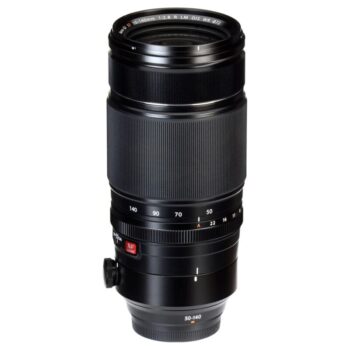
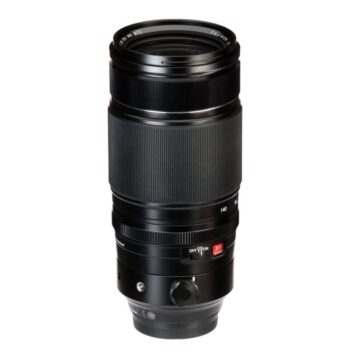
The XF 50-140mm F2.8 R LM OIS WR is a versatile telephoto zoom lens designed for FUJIFILM X-mount mirrorless cameras, offering a 76-213mm equivalent focal length range.
Available on backorder
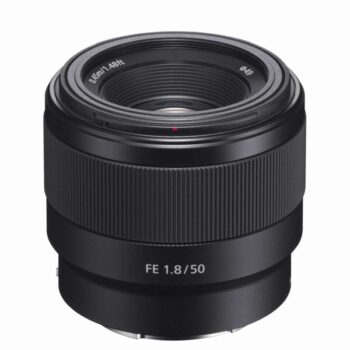
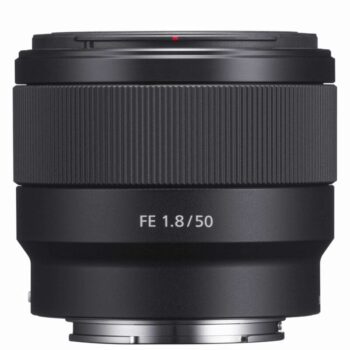
- Lightweight, fast, and affordable—the Sony FE 50mm f/1.8 delivers beautiful bokeh and crisp detail for portraits, everyday shots, and low-light moments.
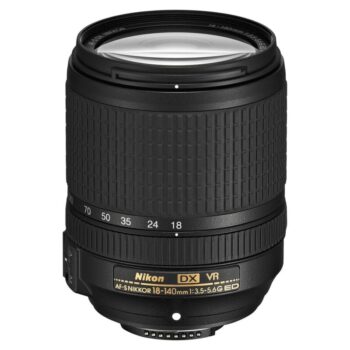
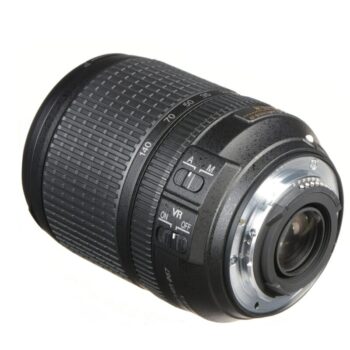
Type
Type G AF-S DX lens with built-in CPU and F mount
Focal length
18-140 mm
Maximum aperture
f/3.5-5.6
Minimum aperture
f/22-38
Lens construction
17 elements in 12 groups (including 1 ED lens element, 1 aspherical lens element)
Angle of view
76° – 11°30′
Focusing
Nikon Internal Focusing (IF) System with autofocus controlled by Silent Wave Motor and separate focus ring for manual focus
Available on backorder
Reviews
There are no reviews yet.